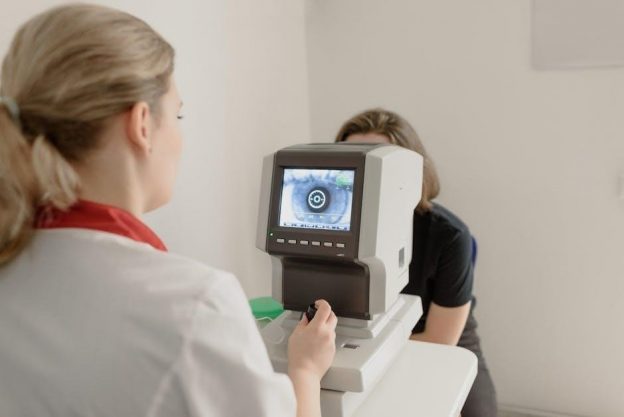
The m.s. Aphasia Screening Test, developed by O. Dragoy in 2016, offers a swift method for identifying language impairments, particularly crucial in neurological contexts.

What is Aphasia?
Aphasia represents a profound language disorder impacting the capacity to communicate effectively. It arises from damage to areas of the brain responsible for language, frequently following a stroke, as highlighted by MA Ulanov’s 2018 review focusing on post-stroke language deficits. This impairment can manifest in diverse ways, affecting speaking, understanding, reading, and writing abilities.
Specifically, aphasia isn’t a problem with intelligence; rather, it’s a disruption in the brain’s language processing network. Individuals with aphasia may struggle with word finding, sentence construction, or comprehending spoken language. The m.s. Aphasia Screening Test, designed for rapid assessment, aims to detect these impairments, facilitating timely intervention and support for affected individuals. Early identification is paramount for optimizing rehabilitation outcomes and improving quality of life.
The Importance of Early Screening
Early screening for aphasia, such as with the m.s. Aphasia Screening Test, is critically important for several reasons. Prompt identification allows for immediate implementation of rehabilitation strategies, maximizing the potential for recovery, as emphasized in studies regarding post-stroke aphasia rehabilitation (Ulanov, 2018). Delays in diagnosis can lead to increased frustration, social isolation, and diminished quality of life for individuals affected by language impairments.
Furthermore, early detection enables clinicians to tailor interventions to the specific needs of each patient. The test’s administration, both pre- and intraoperatively (Dragoy, 2016), highlights its versatility. Timely intervention can also improve functional outcomes, as demonstrated by research evaluating clinical and paraclinical factors (Tynterova, 2024), ultimately enhancing a patient’s ability to participate fully in daily life.

Understanding the m.s. Aphasia Screening Test
This test, originating with O. Dragoy in 2016, is a valuable tool for quickly assessing language function, utilizing naming tasks for efficient evaluation.
Origins and Development (O Dragoy, 2016)
The m.s. Aphasia Screening Test was initially conceived and developed by O. Dragoy in 2016, addressing a critical need for rapid aphasia assessment. This test’s creation stemmed from the necessity of efficiently evaluating patients, particularly within the complexities of neurosurgical settings. Notably, Dragoy’s work highlighted a two-step administration process: preoperative and intraoperative assessments.
The selection of specific test components – whether focusing on object or action naming – was strategically determined by the characteristics of the patient’s tumor and the potential impact on language centers. This adaptable approach allowed for a more targeted and nuanced evaluation of language deficits. The test has since garnered 44 citations, demonstrating its growing recognition and utility within the field of speech-language pathology and neurology. Dragoy’s foundational work continues to influence contemporary aphasia screening practices.
Test Administration: Preoperative vs. Intraoperative
The m.s. Aphasia Screening Test’s unique strength lies in its adaptability, allowing for administration both before and during surgical procedures, as outlined by Dragoy (2016). Preoperative testing establishes a baseline of the patient’s language abilities, crucial for comparison with intraoperative findings. This baseline assessment helps identify pre-existing deficits and informs surgical planning.

Intraoperative administration, conducted during surgery, allows real-time monitoring of language function as the surgical team interacts with brain tissue. This is particularly valuable when operating near language-dominant areas. The choice between object and action naming tasks is guided by the tumor’s location, ensuring the assessment targets potentially affected language functions. This dual-phase approach provides a comprehensive understanding of language preservation or disruption during the surgical process, maximizing patient safety and functional outcomes.
Focus on Naming Tasks (Object & Action)
The m.s. Aphasia Screening Test heavily emphasizes naming tasks, specifically focusing on both object and action naming, as a core component of its assessment. This focus stems from the understanding that naming abilities are frequently and profoundly affected in aphasia. Difficulty with naming is often an early indicator of language impairment, making it a sensitive measure for screening purposes.
The test’s design allows clinicians to select either object or action naming, or both, depending on the clinical context and suspected language deficits. Object naming assesses the ability to retrieve lexical items for concrete objects, while action naming evaluates the capacity to name dynamic actions; This targeted approach allows for a nuanced evaluation of different aspects of lexical access and semantic processing, providing valuable insights into the nature and severity of aphasia.

Components of the Screening Test
The m.s. Aphasia Screening Test evaluates cranial nerve function, fluency, and identifies expressive and receptive dysphasias through repetition of sounds, phrases, and assessments.
Repetition of Sounds and Phrases
Repetition tasks form a core component of the m.s. Aphasia Screening Test, serving as a fundamental assessment of a patient’s phonological processing and motor speech capabilities. This element of the test directly evaluates the individual’s ability to accurately reproduce both simple sounds and more complex phrases. The examination meticulously assesses cranial nerve function, pinpointing potential disruptions in the neurological pathways responsible for speech articulation.
Successful repetition demonstrates intact neurological connections and efficient motor planning. Conversely, difficulties with repetition can indicate various aphasic syndromes, offering crucial diagnostic clues. The test’s structure allows clinicians to quickly gauge the severity and nature of language impairment, guiding further evaluation and treatment planning. This initial assessment provides valuable insight into the patient’s overall communicative abilities and potential rehabilitation needs.
Fluency Assessment
Fluency assessment within the m.s. Aphasia Screening Test is a critical element, evaluating the rate and flow of speech production. Clinicians observe the patient’s verbal output, noting characteristics like speech rate, pauses, and effortfulness. This component goes beyond simply measuring words per minute; it assesses the naturalness and ease of communication.
Reduced fluency can manifest as hesitant speech, fragmented phrases, or complete inability to articulate thoughts. These observations provide valuable insights into potential expressive aphasia. The assessment helps differentiate between various types of speech disturbances, guiding diagnostic accuracy. Careful observation of fluency, alongside other test components, allows for a comprehensive understanding of the patient’s language impairment and informs targeted rehabilitation strategies. It’s a key indicator of communicative effectiveness.
Identifying Specific Dysphasias (Expressive & Receptive)
The m.s. Aphasia Screening Test aims to differentiate between expressive and receptive dysphasias, crucial for targeted intervention. Expressive aphasia, characterized by difficulty formulating language, is assessed through tasks requiring verbal production. Conversely, receptive aphasia, impacting comprehension, is evaluated by observing responses to verbal commands and questions.
The test’s structure, including repetition of sounds and phrases, helps pinpoint specific deficits. Impaired repetition often indicates expressive difficulties, while struggles understanding spoken language suggest receptive aphasia. Identifying the predominant type of dysphasia guides clinicians in developing individualized therapy plans. Accurate diagnosis is paramount for maximizing rehabilitation outcomes and improving the patient’s communicative abilities, restoring functional independence.

Aphasia in Stroke Patients
Post-stroke aphasia, extensively reviewed by M.A. Ulanov (2018), frequently presents with language deficits; early screening, like the m.s. test, is vital;
Language Deficits Post-Stroke (MA Ulanov, 2018)
Following a stroke, individuals often experience a spectrum of language deficits collectively known as aphasia. MA Ulanov’s 2018 review highlights the diverse nature of these impairments, ranging from difficulties with word finding (anomia) and sentence construction (agrammatism) to comprehension challenges and impaired fluency. The specific type and severity of aphasia depend heavily on the location and extent of the brain damage.
Early identification of these deficits is paramount for initiating appropriate rehabilitation strategies. Tools like the m.s. Aphasia Screening Test, developed by Dragoy (2016), play a crucial role in quickly assessing language function, even in acute settings. This rapid assessment allows clinicians to tailor interventions to address the patient’s unique needs, maximizing their potential for recovery and improving their quality of life post-stroke. Understanding the nuances of post-stroke aphasia is key to effective patient care.
Rehabilitation Strategies
Effective rehabilitation for aphasia, as explored by Ulanov (2018), is multifaceted and patient-centered. Strategies often involve speech and language therapy focused on restoring communication abilities. These therapies may include exercises to improve word retrieval, grammar, and comprehension skills. Melodic Intonation Therapy and Constraint-Induced Language Therapy are examples of specialized approaches.
The m.s. Aphasia Screening Test, alongside comprehensive assessments, guides the development of individualized treatment plans. Early intervention, informed by accurate screening, is vital for neuroplasticity and maximizing recovery potential. Furthermore, incorporating technology and group therapy can enhance rehabilitation outcomes. Ongoing research continues to explore new developments, aiming to refine and personalize aphasia treatment, ultimately improving patients’ functional communication and quality of life.
New Developments in Aphasia Treatment
Recent advancements in aphasia treatment, highlighted by Ulanov (2018), focus on leveraging neuroplasticity and personalized approaches. Non-invasive brain stimulation techniques, such as transcranial magnetic stimulation (TMS), are being investigated to enhance language recovery alongside traditional therapy. Digital health interventions, including mobile apps and telehealth platforms, offer increased access to care and personalized exercises.
Research also explores pharmacological interventions to augment therapy effects. The m.s. Aphasia Screening Test plays a role in identifying suitable candidates for these novel treatments. Furthermore, studies are examining the benefits of combining different therapeutic modalities. These developments aim to improve functional communication, enhance quality of life, and provide more effective rehabilitation options for individuals with aphasia.
Related Assessments & Scales
Complementary tools include the SAQOL-39 for quality of life, clinical status scales (Skvortsov, 2025), and the PICS Index utilized during the COVID-19 pandemic.
SAQOL-39: Stroke and Aphasia Quality of Life Scale

The SAQOL-39 represents a valuable, self-complete questionnaire designed to comprehensively assess the quality of life for individuals experiencing the combined challenges of stroke and aphasia. This 39-item scale delves into various facets of daily living, meticulously examining how these conditions impact a patient’s overall well-being.
Specifically, SAQOL-39 probes areas such as communication abilities, emotional state, social interactions, and physical functionality. By gathering detailed insights into these domains, clinicians can gain a nuanced understanding of the patient’s lived experience and tailor rehabilitation strategies accordingly. It’s a patient-reported outcome measure, meaning the information comes directly from those affected, providing a crucial perspective often missed in purely clinical evaluations.
Utilizing SAQOL-39 alongside assessments like the m.s. Aphasia Screening Test allows for a holistic approach to patient care, addressing both the neurological deficits and the broader impact on quality of life.
Clinical Status Assessment Scales (ДВ Скворцов, 2025)
Assessment of clinical status, as detailed by ДВ Скворцов in 2025, employs a range of scales and scoring systems to provide a detailed neurological profile of patients. These evaluations extend beyond language assessment, incorporating motor function analysis, specifically lower limb muscle strength, to gain a comprehensive understanding of the patient’s condition.
This multifaceted approach is crucial for accurately characterizing the severity and nature of impairments following a stroke or other neurological event. While the m.s. Aphasia Screening Test focuses specifically on language abilities, these broader clinical scales offer essential contextual information.
Integrating these assessments allows clinicians to differentiate between various neurological deficits and develop targeted rehabilitation plans. The combined data provides a more complete picture of the patient’s functional capabilities and potential for recovery.
PICS Index: ICU Severity Assessment (COVID-19 Context)
The PICS Index, utilized during the COVID-19 pandemic, served as a vital tool for assessing the severity of illness in Intensive Care Units (ICUs). Its deployment facilitated the efficient planning of patient care and resource allocation during a period of immense strain on healthcare systems. While seemingly distant from aphasia screening, understanding the broader context of neurological assessments within critical care is important.
The index provided a standardized method for evaluating patient status, enabling clinicians to quickly identify those requiring the most intensive interventions. This rapid assessment capability proved invaluable in managing the surge of patients during the pandemic.
Although focused on physiological parameters, the PICS Index highlights the importance of comprehensive assessment protocols in acute care settings, complementing specialized tests like the m.s. Aphasia Screening Test.

Applications in Clinical Practice
Clinical practice benefits from bedside methods, like aspiration screening (MS et al., 2021), and evaluating factors impacting functional outcomes (AM Tynterova, 2024).
Bedside Clinical Methods for Aspiration Screening (MS et al., 2021)
Aspiration risk is a significant concern, especially in stroke patients who often experience language and swallowing difficulties. The study by MS et al. (2021) highlights the importance of readily available, practical bedside clinical methods for quickly assessing this risk. These methods serve as an initial screening tool, particularly valuable in elderly patients with a history of stroke, both recent and previous.
While the m.s. Aphasia Screening Test primarily focuses on language function, recognizing the co-occurrence of dysphagia (swallowing difficulties) and aphasia is crucial. Bedside assessments, as detailed in the research, can help identify individuals needing further, more detailed evaluation by a speech-language pathologist. This integrated approach ensures comprehensive patient care, addressing both communication and safe swallowing abilities, ultimately improving patient outcomes and reducing complications.
Impact of Clinical & Paraclinical Factors on Functional Outcome (AM Tynterova, 2024)
AM Tynterova’s 2024 research delves into the complex interplay of clinical and paraclinical factors influencing a patient’s functional recovery. Understanding these influences is paramount for optimizing rehabilitation strategies and predicting outcomes following neurological events, such as stroke, which frequently causes aphasia.
While the m.s. Aphasia Screening Test provides a rapid assessment of language deficits, it’s essential to consider it within a broader clinical picture. Tynterova’s work emphasizes that factors beyond the initial aphasia diagnosis – including patient demographics, stroke severity, and other medical conditions – significantly impact long-term functional abilities. This holistic perspective informs personalized treatment plans, maximizing the potential for recovery and improved quality of life for individuals with aphasia.