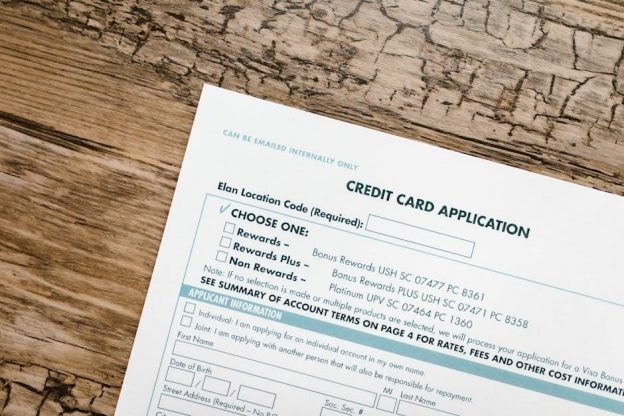
Article Plan: Printable Auto Credit Application PDF
This article details navigating auto credit applications, focusing on PDF formats, benefits, and potential pitfalls for borrowers seeking vehicle financing today.
We’ll explore key sections, common errors, and the impact on credit scores, alongside comparisons of online versus paper processes.
Furthermore, we’ll touch upon auto-redeem issues, insurance quotes, HDR glitches, targeting mechanics, and strategies for handling application denials.
Securing an auto loan often begins with a comprehensive credit application, a crucial step in determining a borrower’s eligibility and loan terms. These applications serve as a formal request for credit, allowing lenders to assess risk and make informed decisions. The process can seem daunting, but understanding the fundamentals empowers potential car buyers.
Traditionally, these applications were primarily paper-based, completed at dealerships or financial institutions. However, the digital age has ushered in the convenience of online applications, particularly in PDF format. A printable auto credit application PDF offers a blend of accessibility and formality, allowing applicants to complete the form offline and submit it electronically or in person.
This article will delve into the world of auto credit applications, specifically focusing on the advantages and nuances of utilizing printable PDF versions. We’ll explore the key components of these applications, common pitfalls to avoid, and how to navigate the process effectively, ultimately streamlining your path to vehicle ownership.
What is an Auto Credit Application PDF?
An Auto Credit Application PDF is a digital document, typically in the Portable Document Format, designed for individuals seeking financing to purchase a vehicle. It’s essentially a digitized version of the traditional paper application, offering a standardized format for collecting essential borrower information. This format ensures consistency and facilitates easy sharing between applicants and lenders.
The PDF version allows prospective buyers to download, complete, and either print and submit physically, or digitally fill and electronically transmit. Crucially, it maintains the document’s formatting across different devices and operating systems, preventing alterations to the layout.

These PDFs generally include sections requesting personal details, employment history, financial information, and vehicle preferences. Utilizing a PDF provides a secure and reliable method for gathering sensitive data, forming the basis for a lender’s creditworthiness assessment.
The Importance of a Printable Application
Despite the rise of digital applications, a printable auto credit application remains vitally important for several reasons. Firstly, it caters to individuals with limited or no reliable internet access, ensuring inclusivity in the financing process. Secondly, some applicants simply prefer the tangible nature of a paper form, allowing for careful review and handwritten signatures.
A printable version also provides a backup option in case of technical difficulties with online submissions. Furthermore, dealerships and lenders often require physical copies for their internal record-keeping and compliance procedures.
The ability to print allows applicants to comfortably complete the form at their own pace, without the pressure of an online timer or potential data loss. Ultimately, offering a printable application broadens accessibility and caters to diverse applicant preferences.
Key Sections of a Standard Auto Credit Application
A typical auto credit application PDF is meticulously structured to gather comprehensive borrower information. Section A, focusing on personal details, requests data like name, address, date of birth, and social security number – crucial for identity verification and credit reporting.
Section B delves into employment history, demanding details about current and previous employers, income, and job stability. Lenders assess this to gauge the applicant’s ability to repay the loan. Finally, Section C concentrates on financial information, including assets, liabilities, and monthly expenses.

This section requires a detailed overview of the applicant’s financial standing. Completing these sections accurately and honestly is paramount for a smooth application process and a higher chance of approval.
Section A: Personal Information
Section A of the auto credit application PDF is the foundational component, establishing the applicant’s identity. This section meticulously requests core personal details, beginning with your full legal name and current residential address. Crucially, it requires your date of birth and social security number – essential for credit bureau verification and accurate reporting.
Lenders utilize this information to perform thorough background checks and assess your creditworthiness. Providing accurate details is paramount; discrepancies can lead to delays or outright denial. Additionally, you may be asked for contact information, including phone number and email address, for communication purposes.
Completing this section honestly and completely sets the stage for a successful loan application.
Section B: Employment Information
Section B of the auto credit application PDF delves into your employment history, a critical factor in determining your ability to repay the loan. Lenders require detailed information about your current employer, including the company name, address, and phone number. You’ll also need to specify your position, length of employment, and gross monthly income.
If you have previous employment history within the last few years, be prepared to provide similar details for those positions as well. This demonstrates a stable work record, which is highly valued by lenders. Accuracy is key; any inconsistencies could raise red flags and necessitate further verification.
Providing complete and truthful employment information significantly strengthens your application.
Section C: Financial Information
Section C of the printable auto credit application PDF is arguably the most scrutinized, focusing on your financial standing. Expect to disclose details regarding your monthly housing payment – whether you rent or own – and any other significant debt obligations, such as student loans or credit card balances. Lenders need a clear picture of your debt-to-income ratio.
You’ll likely be asked to provide information about your bank accounts, including account numbers and balances. This allows lenders to verify your income and assess your overall financial stability. Be prepared to list any other assets you possess, like investments or savings accounts.
Honesty and accuracy in this section are paramount; misrepresentation can lead to application denial or even legal repercussions.
Why Financial Institutions Use PDF Applications
Financial institutions widely utilize PDF auto credit applications due to their standardized format and portability. PDFs ensure all applicants provide information in a consistent manner, simplifying the review process and reducing errors. This standardization is crucial for efficient data analysis and risk assessment.
Furthermore, PDFs maintain the document’s original formatting across different devices and operating systems, preventing layout issues. They are easily shareable via email or website downloads, expanding accessibility for potential borrowers. The format also allows for embedded security features, protecting sensitive customer data.
Ultimately, PDFs streamline the application workflow, enhancing efficiency and security for both lenders and applicants.
Benefits of Using a PDF Auto Credit Application
Employing a PDF auto credit application offers significant advantages for both lenders and borrowers. Firstly, security and data protection are paramount; PDFs can be password-protected and digitally signed, safeguarding sensitive financial information during transmission and storage. This minimizes the risk of unauthorized access and fraud.
Secondly, ease of distribution is a key benefit. PDFs can be readily emailed, downloaded from websites, or printed, providing convenient access for applicants. This broad accessibility increases application volume and speeds up the loan origination process. The standardized format also ensures consistent data collection.
In essence, PDF applications balance security, convenience, and efficiency, creating a smoother auto loan application experience.
Security and Data Protection
A primary benefit of PDF auto credit applications lies in their robust security features. Unlike easily altered digital forms, PDFs can be password-protected, restricting access to authorized personnel only. This crucial layer of security safeguards sensitive personal and financial data – including social security numbers, income details, and banking information – from potential cyber threats.
Furthermore, digital signatures can be integrated into PDFs, verifying the applicant’s identity and ensuring the application’s authenticity. This prevents fraudulent applications and reduces the risk of identity theft. The inherent structure of a PDF also makes it more difficult to tamper with the data without detection.
Ultimately, utilizing PDFs demonstrates a commitment to data privacy and builds trust with potential borrowers.
Ease of Distribution
PDF auto credit applications offer unparalleled ease of distribution, a significant advantage for dealerships and financial institutions. Unlike paper applications, PDFs can be instantly emailed to prospective borrowers, eliminating postal delays and associated costs. They can also be readily embedded on websites, allowing customers to download and complete the form at their convenience.
This streamlined process enhances the customer experience and accelerates the loan application process. Moreover, PDFs are universally compatible, meaning borrowers can access and complete them on virtually any device – computers, tablets, or smartphones – without requiring specialized software.

The ability to quickly and efficiently distribute applications broadens reach and improves overall operational efficiency.
Information Needed Before Filling Out the Application
Before embarking on an auto credit application, gather essential documentation to ensure a smooth and accurate process. You’ll require your Social Security number, a valid driver’s license, and proof of address – typically a utility bill or lease agreement. Employment information is crucial, including your employer’s name, address, phone number, and your length of employment.
Furthermore, prepare details regarding your income, including salary, wages, and any additional sources of revenue. Financial institutions will also request information about your existing debts, such as credit card balances, student loans, and other outstanding loans.
Having this information readily available minimizes delays and potential errors during the application process, increasing your chances of approval.
Common Mistakes to Avoid on the Application
Completing an auto credit application requires precision. A frequent error is providing inaccurate or inconsistent information – discrepancies between reported income and employment details can raise red flags. Avoid exaggerating your income or underreporting existing debts, as lenders verify this information. Failing to disclose all debts is another common mistake that can lead to denial.

Carelessly filling out sections or leaving fields blank can also cause delays or rejection. Ensure all information is legible and matches supporting documentation. Double-check your Social Security number and other critical details for accuracy.
Finally, avoid applying for multiple loans simultaneously, as numerous credit inquiries can negatively impact your credit score.
Credit Score Impact of Applying for Auto Loans
Applying for auto loans inevitably impacts your credit score, though the extent varies. Each application triggers a “hard inquiry” on your credit report, potentially lowering your score slightly. Multiple applications within a short period (typically 14-45 days) are often treated as a single inquiry by scoring models, minimizing the damage.

However, consistently applying and being denied can negatively affect your score. A lower score translates to higher interest rates or loan denial. Conversely, successful loan repayment positively builds your credit history.
Before applying, check your credit report for errors and address them. Maintaining a good credit utilization ratio and payment history will improve your approval odds and secure favorable loan terms.
Understanding Auto Loan Terms
Navigating auto loan terms is crucial for informed borrowing. The APR (Annual Percentage Rate) represents the total cost of the loan, including interest and fees, expressed as a yearly rate. A lower APR translates to lower overall costs. Compare APRs from multiple lenders to secure the best deal.
The loan term dictates the repayment period – typically 36, 48, 60, or 72 months. Shorter terms mean higher monthly payments but lower total interest paid. Longer terms offer lower monthly payments but accrue more interest over time.
Consider your budget and financial goals when choosing a term. Understand prepayment penalties – some lenders charge fees for paying off the loan early.
APR (Annual Percentage Rate)
The APR, or Annual Percentage Rate, is a critical figure when evaluating auto loan offers. It represents the true cost of borrowing money, encompassing not just the interest rate, but also any associated fees like processing charges or origination fees. Focusing solely on the interest rate can be misleading; the APR provides a comprehensive view.

A lower APR directly translates to lower overall loan costs. Even a small difference in APR can result in significant savings over the loan term. Always compare APRs from different lenders – banks, credit unions, and dealerships – to identify the most favorable terms.
Be aware that APRs are influenced by your credit score; a higher score typically qualifies you for a lower rate.
Loan Term
The loan term signifies the duration over which you’ll repay the auto loan, typically ranging from 36 to 72 months, though shorter and longer terms exist. Choosing the right loan term is a balancing act between monthly payment affordability and total interest paid.
Shorter loan terms result in higher monthly payments but significantly reduce the total interest accrued over the life of the loan. Conversely, longer loan terms offer lower monthly payments, making them more manageable in the short term, but you’ll pay considerably more in interest overall.
Carefully consider your budget and financial goals when selecting a loan term. Factor in potential life changes and ensure you can comfortably manage the payments throughout the entire term.
Where to Find Printable Auto Credit Application PDFs
Locating printable auto credit application PDFs is straightforward, with numerous resources available online. Many dealerships offer downloadable applications directly on their websites, often found within the financing or auto loan sections. Major financial institutions, like banks and credit unions, frequently provide PDF versions for convenient access.

A simple web search using terms like “printable auto credit application PDF” will yield a variety of options. Be sure to verify the source’s legitimacy before downloading and completing any application to protect your personal information. Look for secure websites (HTTPS) and reputable lenders.
Always download directly from the lender’s official site whenever possible to avoid potential scams or compromised forms.
Online vs. Paper Applications: A Comparison
The debate between online and paper auto credit applications centers on convenience, speed, and security. Online applications offer immediate submission and often faster processing times, leveraging digital data transfer. Paper applications, while seemingly more traditional, require mailing or in-person delivery, potentially delaying the process.
Online forms frequently include built-in validation, reducing errors and streamlining the review. Paper applications rely on manual review, increasing the chance of discrepancies. However, some borrowers prefer the tangible nature of paper for record-keeping and a perceived sense of control.
Both methods require diligent information protection. Ensure secure connections for online submissions and safeguard physical copies of paper applications.
Auto-Redeem and Credit Applications (Relevance to Microsoft Rewards)
While seemingly unrelated, issues with Microsoft Rewards’ auto-redeem feature highlight the importance of account alignment and consistent activity – principles mirroring credit application scrutiny. Users report failures in redeeming points, often receiving responses citing discrepancies between account activity and Microsoft Services search terms.
This parallels the thorough verification lenders conduct during auto loan applications. Just as Rewards requires adherence to specific guidelines, credit applications demand accurate and verifiable information regarding income, employment, and financial history.
Both scenarios emphasize the need for meticulous attention to detail and proactive account management. A flawed Rewards profile can hinder point redemption; similarly, inaccuracies on a credit application can lead to denial or unfavorable loan terms.
Auto Insurance Quotes and Credit Applications (Geico & State Farm Example)
The process of obtaining auto insurance quotes, like Geico’s potential $70 monthly savings compared to existing providers, mirrors the financial assessment within a credit application. Both require a detailed evaluation of individual circumstances to determine risk and appropriate pricing.
Discussions with State Farm regarding California inflation and rising premiums demonstrate how external economic factors influence financial products – a key consideration for lenders evaluating loan affordability. Just as insurance companies assess risk, auto lenders analyze creditworthiness to gauge the likelihood of repayment.
Both processes involve providing personal and financial information, emphasizing the need for accuracy and transparency. A stable insurance history can positively influence a credit application, showcasing responsible financial behavior.
Auto HDR and Application Processing (Technical Issue ‒ Dragonflight)
While seemingly unrelated, the technical issues with Auto HDR in World of Warcraft: Dragonflight – specifically the glowing text problem with the AW3423DWF monitor – highlight the importance of accurate data processing, mirroring the scrutiny of a credit application.
Just as incorrect display settings distort visual information, errors or inconsistencies within a credit application can lead to processing delays or outright denial. The need for precise configuration in the game parallels the requirement for accurate financial details on the application.
Troubleshooting the HDR issue requires meticulous adjustments, similar to addressing discrepancies flagged during credit review. Both scenarios demand attention to detail and a systematic approach to identify and resolve the root cause of the problem.
Auto Targeting and Creditworthiness (Dead Eye Example)
The debate surrounding Red Dead Redemption 2’s Dead Eye auto-targeting – whether to prioritize precise headshots or rely on broad target acquisition – offers a compelling analogy to creditworthiness assessment.
A ‘focused’ approach, like selecting individual targets for headshots, represents a lender’s preference for applicants with a clear financial history and demonstrable repayment capacity. Conversely, the ‘auto’ function, indiscriminately hitting nearby targets, mirrors a riskier borrower with less established credit.

Lenders, like skilled gunslingers, prefer precision. A comprehensive credit application allows for that focused evaluation, revealing the applicant’s financial ‘aim.’ A poorly completed or inaccurate application is akin to the chaotic auto-target, increasing the likelihood of a missed opportunity – or a denial.
Dealing with Application Denials
Receiving a denial on an auto credit application can be disheartening, but it’s not necessarily a dead end. Understanding the reason for the denial is crucial; lenders are legally obligated to provide a clear explanation.
Common reasons include a low credit score, insufficient income, a high debt-to-income ratio, or a limited credit history. Don’t immediately reapply – address the underlying issues first. Review your credit report for errors and dispute any inaccuracies.
Consider a co-signer with stronger credit or explore alternative financing options. A well-completed, honest application is vital, but sometimes external factors necessitate a revised approach. Persistence, coupled with financial improvement, increases your chances of approval.
Protecting Your Information During the Application Process
Submitting a printable auto credit application requires diligent protection of your sensitive personal and financial data. Always ensure the recipient is a legitimate and trustworthy financial institution or dealership.
Before completing a PDF form, verify its source and look for secure connection indicators (https://) if submitting online. Avoid using public Wi-Fi for transmission, as it’s vulnerable to interception. Never share your Social Security number or bank account details via unsecured channels.
Review the application carefully before submitting, and retain a copy for your records. Be wary of phishing attempts requesting information disguised as loan applications. Protecting your identity is paramount throughout the entire process.
Legal Considerations and Disclosures
Auto credit applications are legally binding documents governed by various consumer protection laws, including the Equal Credit Opportunity Act (ECOA). Lenders must disclose all loan terms, including the APR, finance charges, and repayment schedule, clearly and conspicuously.
Applicants have the right to receive an Adverse Action Notice if their application is denied, detailing the specific reasons for the decision. Review the application’s disclosures carefully, paying attention to arbitration clauses and privacy policies.
Understand your rights regarding data security and the lender’s obligations to protect your personal information. Consult with a legal professional if you have concerns about the fairness or legality of the application process or loan terms.
Streamlining the Auto Credit Application Process

The printable auto credit application PDF, while seemingly traditional, remains a vital tool in modern auto financing. Leveraging digital PDFs offers security, ease of distribution, and a standardized format for lenders and borrowers alike.
Preparation is key; gathering necessary documentation beforehand minimizes delays and potential errors. Understanding loan terms – APR, loan duration – empowers informed decision-making. Addressing potential issues like auto-redeem failures or insurance discrepancies proactively ensures a smoother experience.
Ultimately, a streamlined application process benefits both parties, fostering trust and facilitating access to vehicle financing. Staying informed about legal rights and disclosures further protects consumers throughout this important process;